Text Care vs Mainstream Healthcare: Why Most Doctors Can't Text You Back

It's a simple question more parents are starting to ask: "Why can't I just text my doctor?"
If your child wakes up with a rash, bumps their head at school, or develops a low-grade fever before bedtime, you may not need a full clinic visit. Text care is growing more and more popular as a way to ask questions without scheduling an appointment.
But in most large, insurance-based healthcare systems, like Intermountain Health, University of Utah Health, or other hospital-owned pediatric clinics, texting your pediatrician directly usually isn't an option.
That's not because doctors don't care. It's because mainstream healthcare simply isn't built to support text-based care.
Let's break down why — and what makes direct care different.
Photo by Eugene Chystiakov on Unsplash
Why Most Mainstream Healthcare Providers Can't Offer Text-Based Care
1. Insurance Pays for Visits — Not Texts
In traditional healthcare, doctors and hospitals are paid through insurance billing. Insurance companies reimburse for structured, documented appointments, not text conversations.
That means:
- A 10–15 minute visit is billable.
- A phone call may sometimes be billable.
- A text exchange? Usually not.
When a clinic relies on insurance reimbursement to survive, communication has to fit into billing codes. Text-based care just isn't covered.
This is one of the biggest structural differences in text-based care vs traditional doctor visits.
2. Productivity Is Measured by Visit Volume
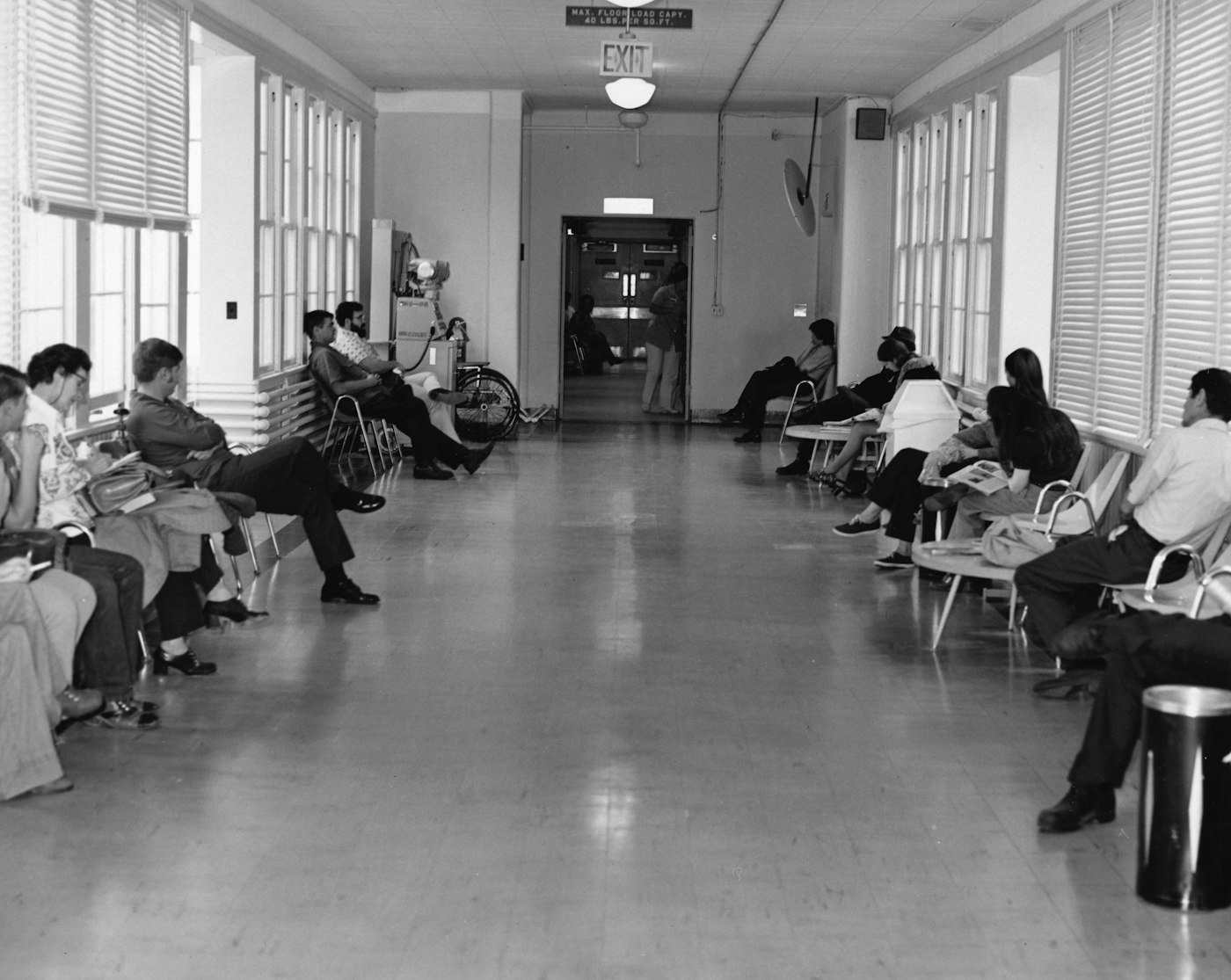
Most insurance-based pediatricians carry very large patient panels — often hundreds of patients.
To sustain that model, providers must see a high number of patients each day. In many mainstream clinics, appointments are scheduled every 10–15 minutes.
If a doctor spent significant time texting throughout the day, it would reduce the number of billable visits — and the system isn't designed to absorb that.
Photo by Navy Medicine on Unsplash
3. HIPAA and Texting Concerns
Parents sometimes wonder whether texting is HIPAA compliant. HIPAA (the Health Insurance Portability and Accountability Act) requires healthcare providers to protect patient health information and use reasonable safeguards when communicating.
Most large hospital systems avoid direct texting for a few reasons:
- Standard SMS text messaging is not encrypted by default.
- Large systems must follow strict corporate compliance policies.
- They typically require secure patient portals instead of personal texting.
For a big organization, allowing every physician to text patients directly creates compliance complexity and legal risk.
However, HIPAA does allow electronic communication — including texting — if certain safeguards are in place.
Importantly, patients can also give consent to receive communication by text. When families understand potential privacy limitations and agree to communicate that way, texting can be used appropriately as part of care.
In other words, HIPAA doesn't automatically ban text-based care. But in large insurance-based systems, it's often easier not to offer text care than to build systems around it.
4. Layers Between You and the Doctor
In large hospital systems, communication often goes through multiple steps:
- Call centers
- Nurse triage lines
- Patient portals
- Medical assistants
Even when you send a portal message, it may not go directly to your pediatrician. It may be filtered or answered by staff.
For many families, this creates the frustrating feeling that their doctor is hard to reach.
When parents wonder why doctors can't text patients, this is often what they're experiencing: structural barriers, not personal ones.
What Makes Direct Primary Care Different?

In the direct care model, the financial structure changes. That changes everything about access.
Instead of billing insurance for each visit, families pay a simple monthly membership fee or transparent per-visit pricing.
That means:
- The pediatrician is not dependent on insurance billing codes.
- The doctor has a smaller patient panel.
- Communication can be built into the model — including texting.
This is one of the biggest differences in direct care vs traditional healthcare.
Because revenue isn't tied to volume-based insurance billing, the pediatrician can:
- Spend more time per patient
- Offer longer visits
- Provide direct text communication
- Handle many concerns outside of formal appointments
Text care becomes part of the service — not an unreimbursed burden.
That's what makes direct care different at a structural level.
Photo by Daniel Sone / National Cancer Institute on Unsplash
Text Care vs Mainstream Healthcare: Pros and Cons
| Mainstream (Insurance-based) Care | Direct (Texting) Care | |
|---|---|---|
| Pros |
|
|
| Cons |
|
|
Is Text-Based Pediatric Care All You Need?
Text care is incredibly helpful — but it's not everything.
Text-based pediatric care works especially well for minor illnesses, simple reassurance, and day to day peace of mind. But some concerns still require hands-on exams, testing, or hospital-level resources.
Direct care doesn't replace emergency medicine or specialty care. It strengthens the patient-doctor relationship and fills the gap between "Google it" and "schedule a visit."
For many families, that gap is where most stress lives.
A Different Approach to Pediatric Care
At Direct Care Pediatrics, text communication isn't an add-on. It's part of how we care for families.
Whether you need quick reassurance or a full visit, the goal is simple: make pediatric care more accessible, more personal, and less stressful.
If you've ever wondered what makes direct care different, the answer often starts with access.
And sometimes, access looks as simple as being able to send a text.
- Direct Care Pediatrics — Sandy, Utah
- Text or call: +1-385-462-6880
- Email: info@directcarepediatrics.com
- Schedule a free meet-and-greet