What Photos to Send Your Pediatrician

When something pops up with your child — a rash, a fall, a swollen eye — it's hard to know whether you need an appointment right now or if texting your pediatrician is enough.
That's where text-based pediatric care can be incredibly helpful. A clear photo (plus a little context) often gives your pediatrician enough information to guide next steps without an office visit.
At Direct Care Pediatrics, we review photos daily to help parents decide what's normal, what needs watching, and what needs to be seen in person.
Here's a simple guide to what photos to send your pediatrician, and when texting a doctor about your child makes sense.
Photo by Derek Thomson on Unsplash
Rashes (One of the Most Helpful Things to Photograph)
Parents often text us about rashes. Rashes have many possible causes, but they are simple to triage with photos and context. Here are some tips if you're not sure what photo to send to your pediatrician.
Best photos to send:
- One close-up photo
- One photo farther away to show where it is on the body
- Taken in natural light if possible
Helpful to mention in your text:
- When the rash started
- Whether it's itchy, painful, or spreading
- If your child has a fever or feels sick
Cuts, Scrapes, and Minor Injuries
If your child falls or gets a cut, sending pictures to your pediatrician can help determine whether it needs stitches or can be managed at home.
Best photos to send:
- The wound after gently cleaning it (if safe)
- A straight-on photo
- Something for scale (like a finger or coin)
Texting is especially helpful for:
- Head bumps where your child seems okay
- Cuts that might need stitches
- Bruises or swelling after a fall
Eye Redness, Discharge, or Swelling
Eye concerns are another great example of when photos help more than words. Parents often wonder whether they should send pictures to a doctor for pink eye or eye swelling.
Best photos to send:
- Both eyes (for comparison)
- A close-up showing redness, swelling, or discharge
Include whether:
- The eye is painful or itchy
- There's yellow or green discharge
- Your child can open the eye comfortably
Conditions like pink eye can be cared for at home, but getting advice from a doctor helps you know what to do first.
Swelling or Asymmetry
Photos are very helpful when something looks uneven or suddenly different.
This includes:
- Swollen lips or eyelids
- One-sided facial swelling
- A limb that looks more swollen than the other
Try to send:
- A photo of both sides for comparison
- A quick note about when it started
Fevers & Illness: Photos, Videos & Context
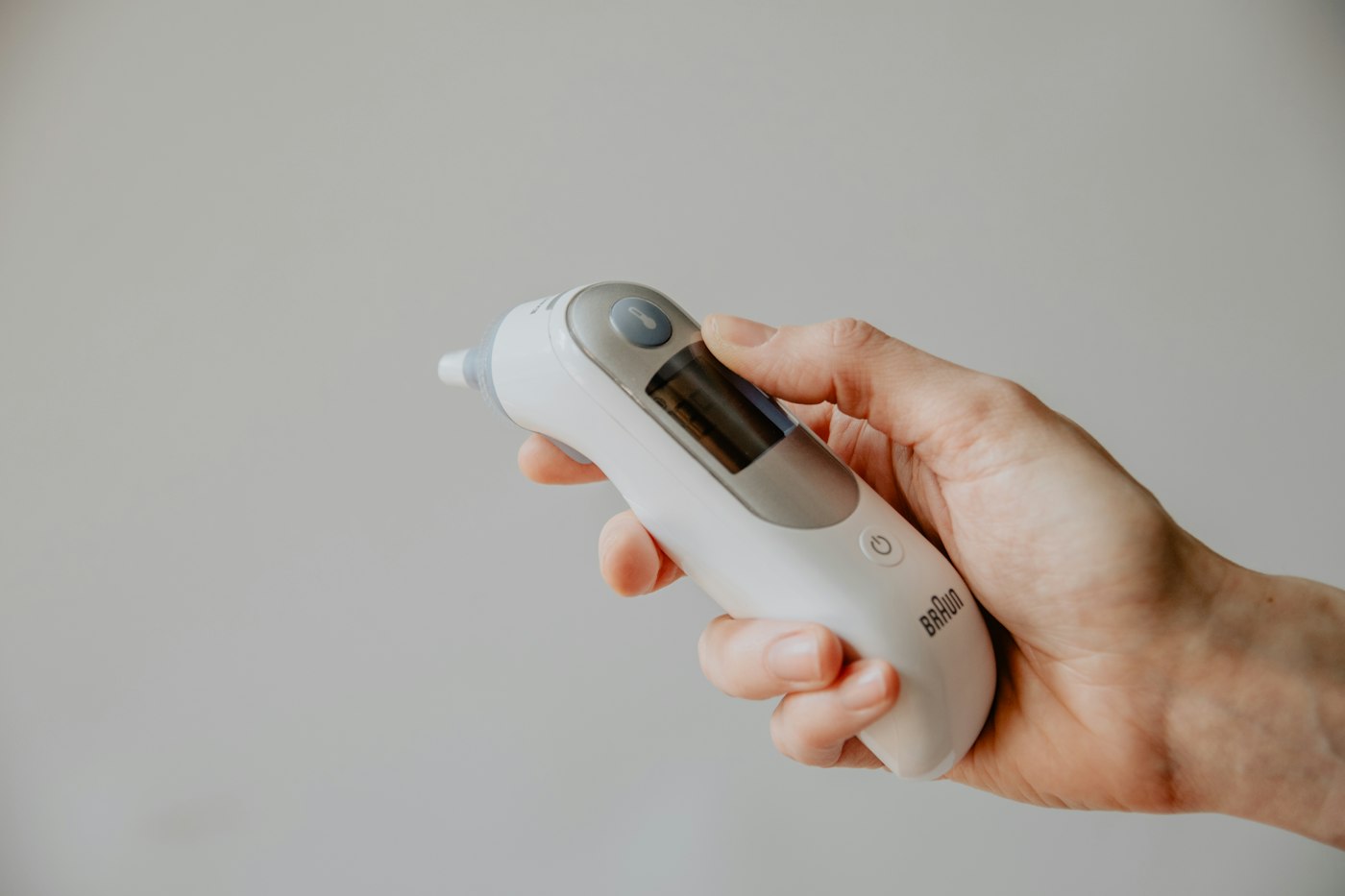
You don't always need a photo for a fever, but visuals can help when a fever comes with other symptoms.
Helpful things to text:
- Your child's age
- The exact temperature and how it was taken
- How your child is acting (playing vs very tired)
- Any other symptoms (cough, congestion, rash, vomiting)
Respiratory symptoms, like coughing or trouble breathing, can be serious symptoms. Send a short video so a pediatrician can hear what's going on and decide what kind of medical care your child needs.
Photo by Kelly Sikkema on Unsplash
When Texting Isn't Enough
Texting your pediatrician and sending photos are great for many everyday concerns, but some situations need immediate, in-person care. If your child has trouble breathing, is unresponsive, has severe pain, or you feel something is seriously wrong, seek urgent or emergency care right away.
Always trust your parent instinct.
The Bottom Line
If you're unsure whether something is worth a visit, sending a quick message with a photo or video is often the easiest first step. Clear pictures help your pediatrician give clearer guidance — and often save families time, stress, and unnecessary trips.
- Direct Care Pediatrics — Sandy, Utah
- Text or call: +1-385-462-6880
- Email: info@directcarepediatrics.com
- Schedule a free meet-and-greet